
2005 –
Producing the mediaeval-inspired geometric paintings and the Buddhist-influenced works started to slow around 2008.
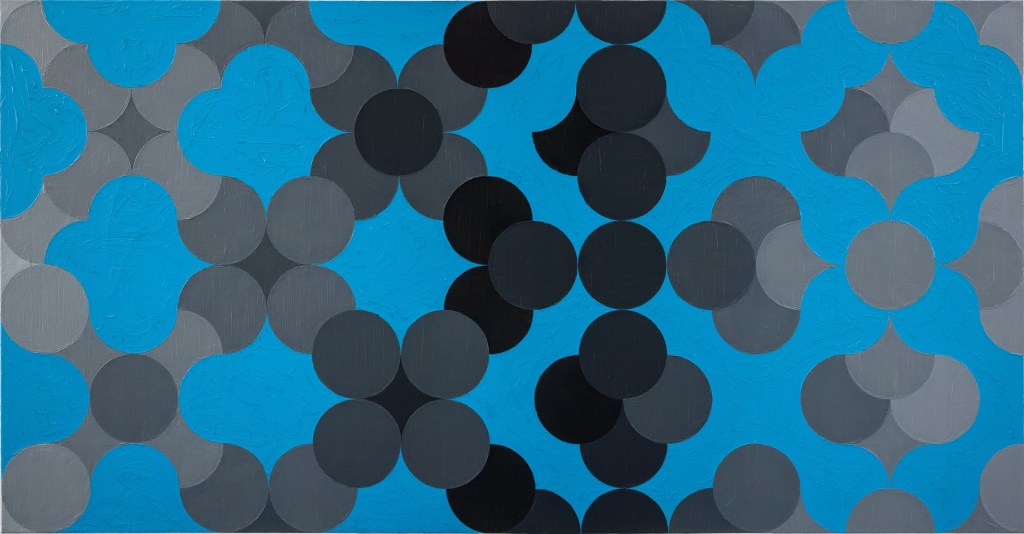
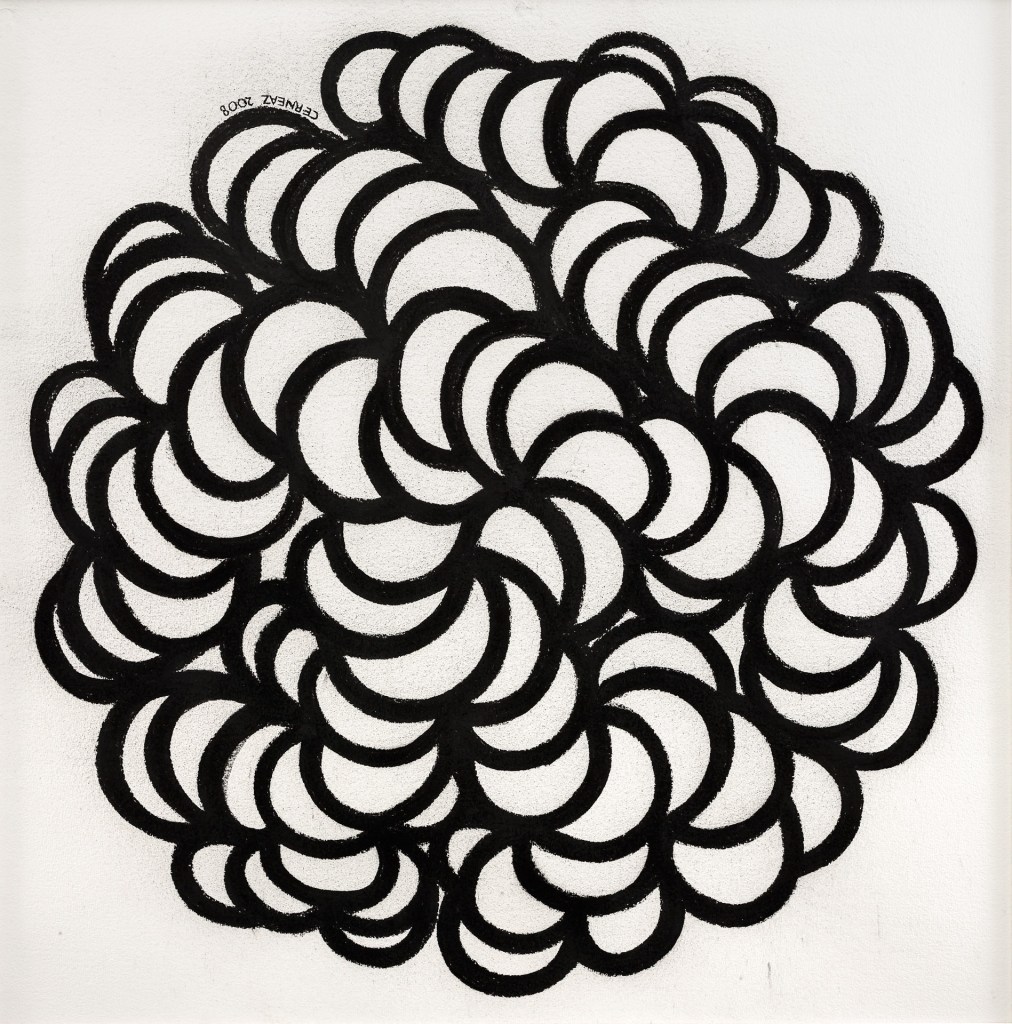
Around that time, I began exploring ways to combine these two distinct systems of geometry—trying to integrate them into a unified visual language. It stemmed from an idealistic belief that art could represent the best in us, and that religious traditions, at their core, shared common human needs and could coexist. Peace, man. Peace!
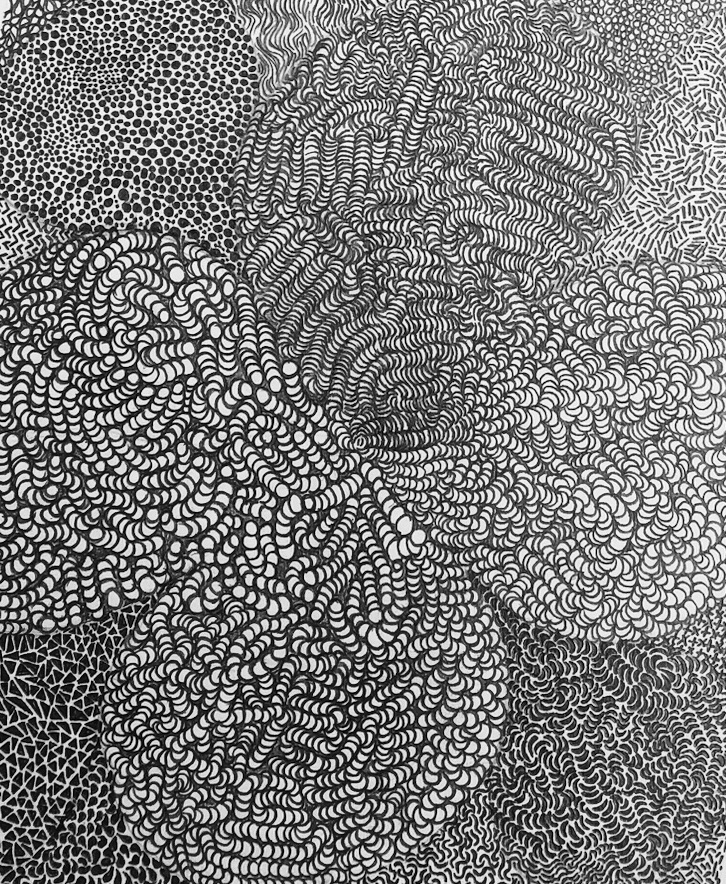
But by 2010, I realised this was too simplistic. Life—especially mine—was far messier than a single unifying philosophy. Instead of blending the geometries into one seamless whole, I began layering them. Each layer could obstruct, support, or contradict the others—mirroring the tensions within us
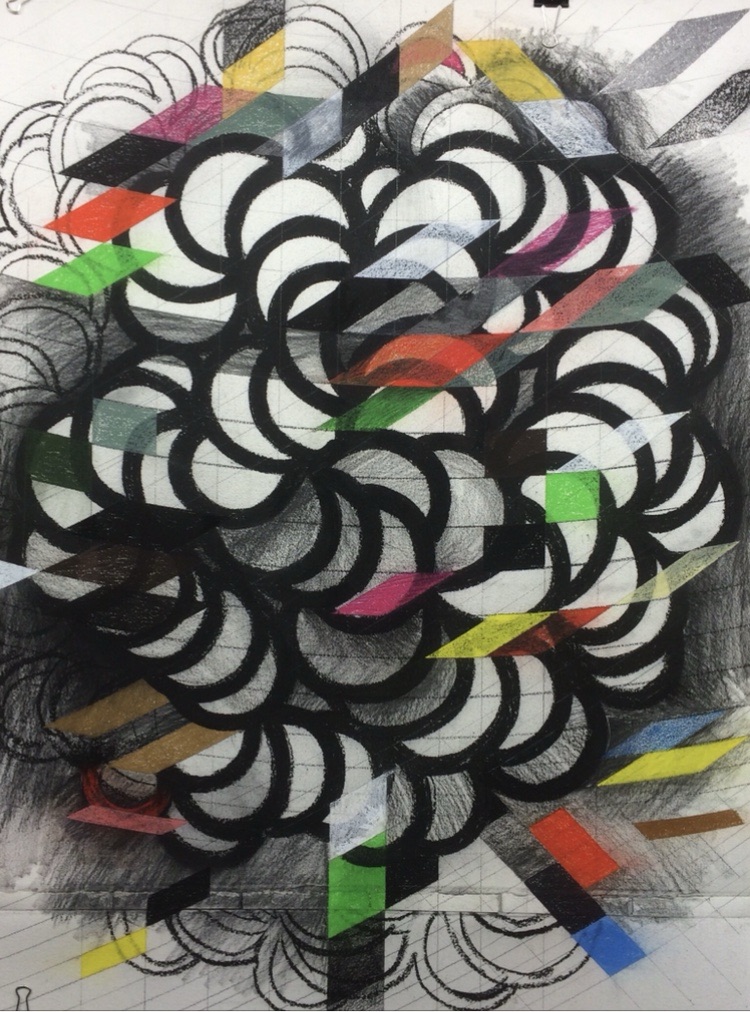
These works carry a compelling sense of mystery. I don’t fully understand them, but they feel true. We don’t live by one guiding idea. At any moment, I might be a father, a son, a husband, a friend, a businessman, a Christian, a Buddhist, generous or selfish—all at once. Our identities are supported by shifting behaviours and roles.
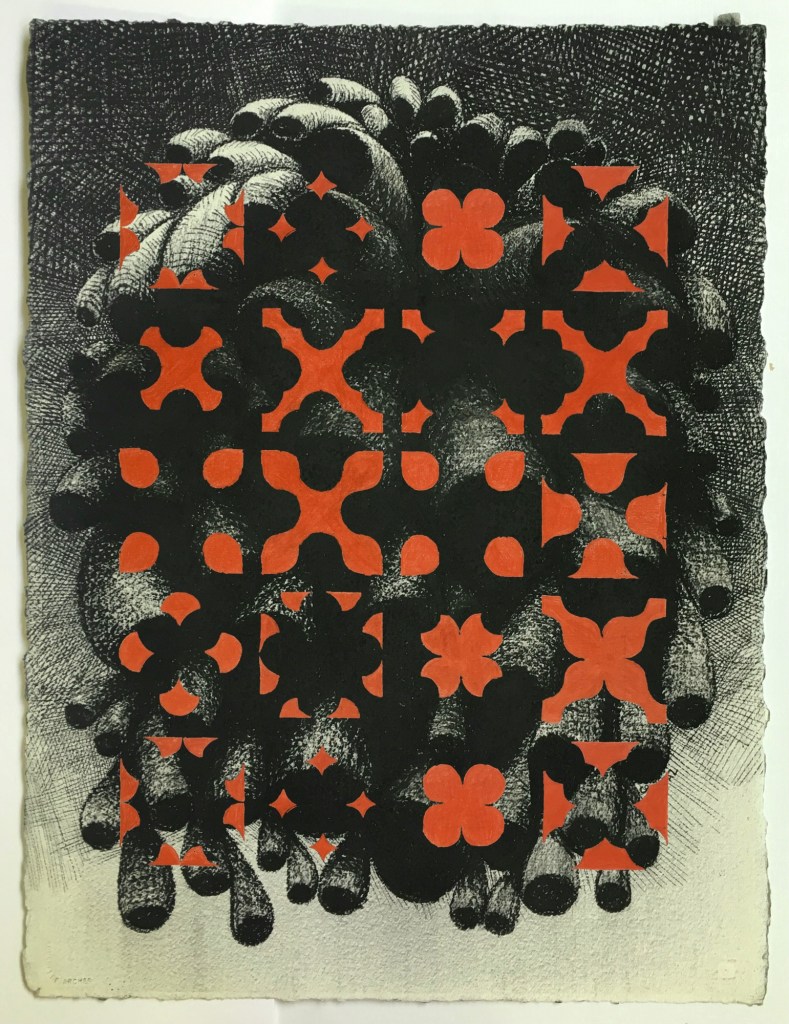
Take parenting, for example. Convincing a child might involve parental love, business logic, spiritual guidance, political persuasion, or educational reasoning. It’s a maze of frameworks we move through instinctively.
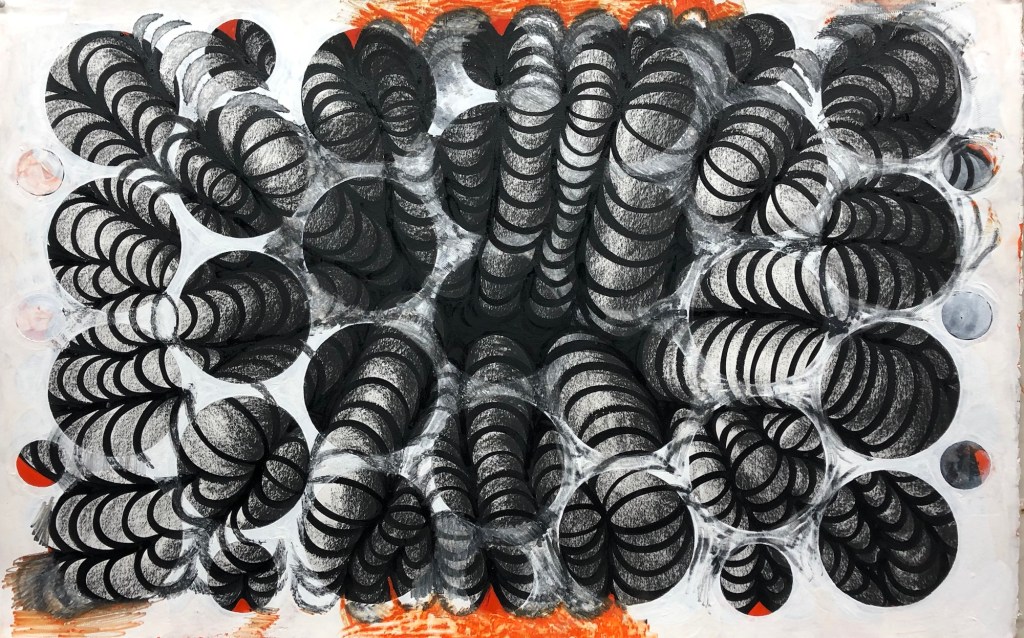
These layered abstractions are my response to that complexity—a visual meditation on the overlapping and often conflicting systems within us that shape how we navigate the world.

 Black Possum Gallery